
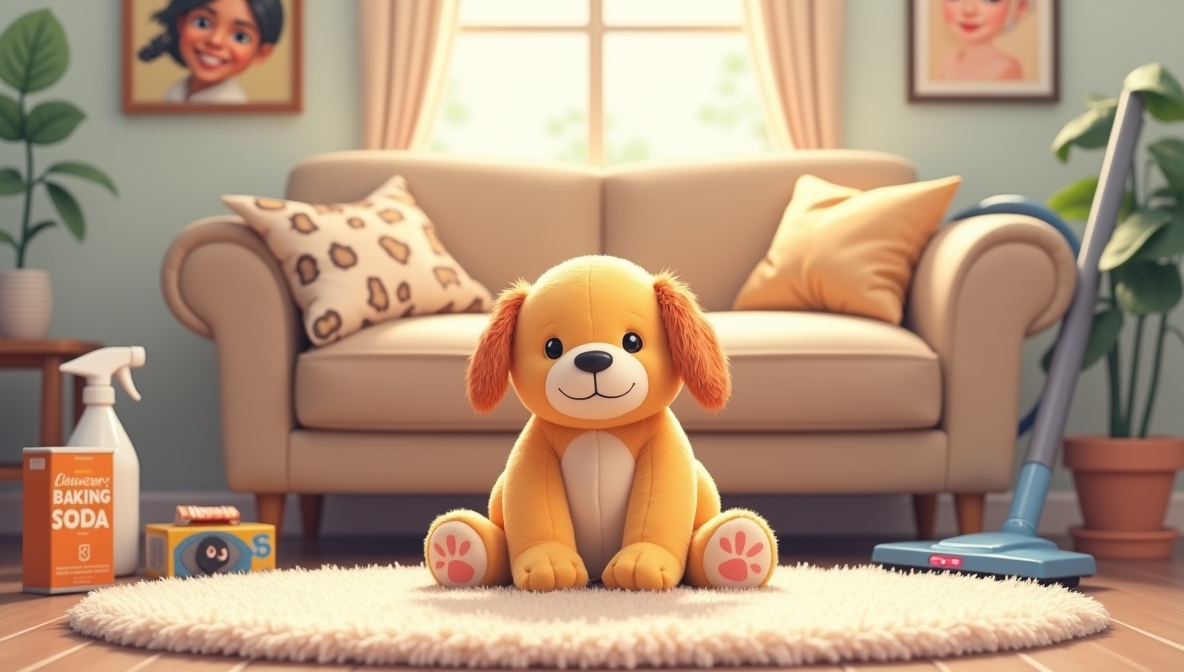
How to Effectively Remove Odors From Plush Toys, Sofas, and Carpets
Soft household materials such as plush toys, upholstered furniture, and carpets create comfort and warmth inside a home, but they also absorb odors much more easily than hard surfaces. Fabrics trap moisture, dust, oils, pet hair, food particles, and airborne contaminants deep within their fibers. Over time, these particles create persistent smells that ordinary cleaning methods often fail to remove completely.
Unlike visible stains, odors can remain hidden inside materials long after the surface appears clean. A sofa may look fresh while still carrying traces of smoke, pets, cooking smells, or humidity. Plush toys frequently absorb sweat, dust, and environmental odors, especially when handled daily by children. Carpets collect dirt and moisture from constant foot traffic, making them one of the most common sources of unpleasant smells inside homes.
Understanding why odors develop is the first step toward removing them effectively and preventing them from returning.
The Difference Between Masking and Eliminating Odors
One of the most common cleaning mistakes is attempting to cover unpleasant smells rather than removing their actual source. Air fresheners and scented sprays may temporarily improve the smell of a room, but they often mix with existing odors instead of eliminating them.
True odor removal requires breaking down or extracting the particles causing the smell. This means cleaning deeper than the surface level and addressing moisture, bacteria, mold, or trapped organic matter hidden inside fabrics.
Long-lasting freshness depends on proper cleaning methods rather than simply adding fragrance.
Removing Odors From Plush Toys
Plush toys are especially prone to retaining odors because they are frequently touched, hugged, and exposed to different environments. Dust, skin oils, food residue, and moisture can slowly build up inside the fabric and stuffing.
The safest and most effective cleaning method depends on the material and construction of the toy. Many modern plush toys can be washed gently in a washing machine using mild detergent and cold water. Placing toys inside protective laundry bags helps reduce damage during cleaning.
For delicate or electronic plush toys, surface cleaning with a damp cloth and gentle soap may be safer. Baking soda is also highly effective for odor removal. Sprinkling a light layer over the toy, allowing it to sit for several hours, and then vacuuming it thoroughly can help absorb trapped smells naturally.
Sunlight and fresh air provide additional benefits. Allowing plush toys to dry outdoors helps reduce moisture and naturally freshens fabrics. Proper drying is extremely important because trapped moisture may create mildew odors later.
Dealing With Sofa and Upholstery Odors
Sofas and upholstered furniture absorb odors continuously because they are exposed daily to body oils, sweat, pets, food, and airborne particles. Smoke and cooking smells are particularly difficult to remove because they penetrate deeply into cushions and fabric layers.
Vacuuming upholstery regularly is essential because dust and debris trapped in fabric contribute significantly to lingering smells. Using upholstery attachments allows better access to seams and hidden areas where particles accumulate.
For deeper odor removal, fabric-safe cleaning solutions or steam cleaning methods can help extract embedded contaminants. Steam cleaning is particularly effective because heat helps break down oils and bacteria while reducing allergens.
Baking soda remains one of the most reliable natural odor absorbers for sofas. Sprinkling it generously over the fabric, allowing it to sit for several hours, and vacuuming thoroughly afterward can noticeably improve freshness.
In cases of persistent smells caused by pets, smoke, or spills, enzyme-based cleaners may be necessary. These products break down organic materials that ordinary cleaners cannot fully remove.
Why Carpets Trap Persistent Smells
Carpets function like giant fabric filters inside homes. Every step brings dirt, moisture, bacteria, and particles deeper into carpet fibers. Over time, carpets may begin holding odors even when no visible stains are present.
Humidity intensifies the problem because moisture activates bacteria and mold growth inside the carpet base and underlayers. Pet accidents are especially difficult because liquids often penetrate beyond the visible surface into the padding below.
Regular vacuuming helps reduce odor buildup by removing dust and debris before they settle deeply. However, vacuuming alone cannot fully eliminate odors that have already penetrated the carpet structure.
Deep cleaning becomes necessary periodically, especially in high-traffic areas. Hot water extraction and steam cleaning methods are among the most effective solutions because they remove contaminants embedded below the surface fibers.
Natural Odor Removal Methods
Many households prefer natural cleaning methods instead of heavily scented chemical products. Fortunately, several natural substances are highly effective at neutralizing odors safely.
Baking soda is widely used because it absorbs moisture and neutralizes acidic odor particles. White vinegar also works well for certain smells because it helps dissolve residues and bacteria. Although vinegar has a strong scent initially, it usually disappears after drying.
Activated charcoal is another powerful odor absorber often used in enclosed spaces. It works particularly well in rooms affected by smoke or dampness.
Fresh airflow remains one of the simplest and most effective solutions. Opening windows regularly reduces stale air and lowers humidity levels that contribute to persistent odors.
Preventing Odors Before They Become Severe
Prevention is often easier than deep odor removal. Regular cleaning routines help stop smells from becoming deeply embedded in fabrics and furniture.
Vacuuming carpets and upholstery frequently reduces dust accumulation. Washing plush toys periodically prevents long-term odor buildup. Immediate cleaning of spills is especially important because moisture left untreated can quickly create mold or bacterial smells.
Controlling indoor humidity also plays a major role. Excess moisture encourages mildew growth, particularly in carpets and thick upholstery. Proper ventilation and dehumidifiers help maintain healthier indoor conditions.
Households with pets may need additional cleaning attention because fur, saliva, and accidents can intensify fabric odors over time.
The Psychological Effect of Fresh Indoor Spaces
Odors affect more than just physical cleanliness—they influence emotional comfort as well. Unpleasant smells can make spaces feel stressful, neglected, or uncomfortable even when visually tidy.
Fresh-smelling environments contribute to relaxation and overall well-being. Clean fabrics, neutral air, and properly maintained living spaces create a stronger sense of comfort and calmness inside the home.
Because soft materials occupy such a large portion of indoor environments, keeping them fresh has a surprisingly significant impact on how people experience their surroundings daily.
Knowing When Professional Cleaning Is Necessary
Some odors become too deeply embedded for household methods alone. Smoke damage, severe pet contamination, mold exposure, or long-term moisture problems may require professional cleaning services.
Professional equipment can reach deeper layers of upholstery and carpets while using industrial extraction systems designed for intensive odor removal. In some cases, replacing heavily damaged materials may be the only effective solution.
Recognizing when home cleaning is insufficient helps prevent long-term damage and improves indoor air quality more effectively.
Creating a Cleaner and Fresher Home Environment
Soft toys, sofas, and carpets make homes feel comfortable and welcoming, but they also require consistent care to remain clean and fresh. Odors often develop gradually, making them easy to ignore until they become persistent and difficult to remove.
Effective odor control depends on understanding the source of the smell rather than simply masking it. Through regular maintenance, deep cleaning, proper ventilation, and natural odor-absorbing methods, it is possible to restore freshness to soft household materials and create a healthier indoor environment.
A clean-smelling home is not only more pleasant—it also contributes to comfort, relaxation, and a stronger sense of well-being in everyday life.