
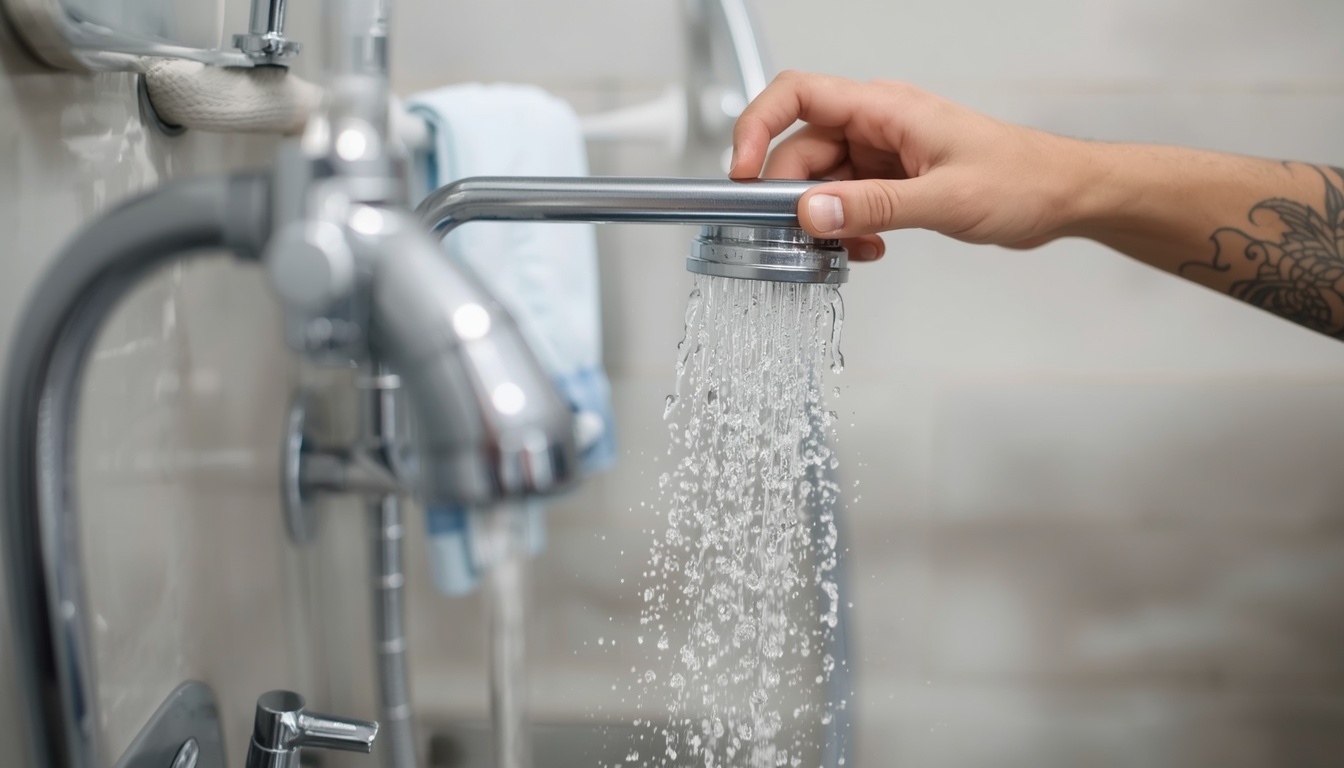
How to Deal with Hard Water: Effective Cleaning Solutions for Faucets, Showerheads, Fixtures, and Shower Enclosures
Hard water is a common household issue that affects millions of homes worldwide. Although it is generally safe for drinking and everyday use, hard water can create numerous challenges when it comes to cleaning, maintaining plumbing fixtures, and preserving the appearance of bathrooms and kitchens. White mineral deposits on faucets, cloudy shower glass, clogged showerheads, and stubborn stains around sinks are often signs of hard water buildup.
Many homeowners become frustrated when surfaces appear dirty shortly after cleaning. In reality, the problem is often not poor cleaning habits but the minerals naturally present in the water supply. Calcium and magnesium, the primary minerals responsible for water hardness, gradually accumulate on surfaces and inside plumbing fixtures, creating deposits commonly known as limescale.
Fortunately, hard water problems can be managed effectively with the right cleaning techniques, preventive measures, and maintenance routines. Understanding how hard water affects household fixtures is the first step toward keeping bathrooms and kitchens clean, functional, and attractive.
What Is Hard Water?
Hard water contains elevated concentrations of dissolved minerals, primarily calcium and magnesium. As water travels through underground rock formations, it naturally absorbs these minerals before reaching homes through municipal water systems or private wells.
The hardness level varies significantly depending on geographic location and local geology. Some regions experience only minor mineral content, while others have extremely hard water that causes visible buildup within a relatively short period.
When hard water evaporates from surfaces, it leaves behind mineral residues. Over time, these deposits accumulate and become increasingly difficult to remove. The result is the familiar white, chalky buildup often seen on faucets, showerheads, tiles, and glass surfaces.
Although hard water itself does not usually damage health, its effects on household fixtures can increase maintenance requirements and reduce the efficiency of plumbing components.
Recognizing Signs of Hard Water Buildup
One of the most noticeable signs of hard water is the appearance of white or off-white mineral deposits around water fixtures.
Faucets may develop crusty rings near the base or around the spout. Showerheads often show visible mineral accumulation around spray openings, which can restrict water flow and alter spray patterns.
Glass shower doors frequently become cloudy despite regular cleaning. This cloudy appearance results from repeated mineral deposits that bond to the glass surface over time.
Sinks, bathtubs, and shower enclosures may also develop stubborn stains that seem resistant to conventional cleaning products. In severe cases, hard water can contribute to reduced water pressure and decreased plumbing efficiency.
Recognizing these signs early makes cleaning easier and helps prevent long-term accumulation.
Cleaning Hard Water Deposits from Faucets
Faucets are among the most common locations for hard water buildup because water frequently remains on their surfaces after use.
Mineral deposits often collect around the base, handles, and aerator. As the deposits accumulate, they can dull the finish and create an unsightly appearance.
Acidic cleaning solutions are particularly effective for dissolving mineral buildup. Mild acids help break down calcium and magnesium deposits without requiring aggressive scrubbing. Allowing the solution to remain in contact with the affected area for an appropriate amount of time improves cleaning effectiveness.
After removing mineral buildup, thorough rinsing and drying can help slow future accumulation. Regular maintenance prevents deposits from becoming thick enough to require intensive cleaning.
Consistent attention to faucet surfaces often keeps them looking polished and functioning properly for many years.
Restoring Showerheads Affected by Hard Water
Showerheads frequently suffer from hard water buildup because mineral-rich water repeatedly passes through small spray openings.
As deposits accumulate, water flow may become uneven, and some nozzles may stop functioning altogether. In severe cases, water pressure can be noticeably reduced.
Cleaning a showerhead typically involves dissolving mineral deposits that have formed both on the surface and inside the fixture. Soaking the showerhead in an appropriate cleaning solution often helps loosen accumulated minerals and restore normal water flow.
After cleaning, gently removing any remaining deposits from individual spray openings can improve performance further.
Regular maintenance prevents significant blockages from developing and extends the lifespan of the fixture.
Removing Hard Water Stains from Shower Glass
Glass shower enclosures are particularly vulnerable to hard water staining because water droplets frequently dry on the surface after each use.
Over time, mineral deposits create a cloudy or hazy appearance that reduces the transparency of the glass. Many homeowners mistakenly believe the glass itself has become damaged when the problem is actually mineral accumulation.
Prompt removal of water droplets after showering can significantly reduce staining. Using a squeegee or microfiber cloth helps minimize mineral deposits before they have an opportunity to dry onto the surface.
For existing buildup, specialized cleaning methods designed to dissolve mineral residues can often restore clarity. Consistent cleaning is generally more effective than allowing deposits to accumulate for extended periods.
Once restored, maintaining dry surfaces becomes one of the most effective preventive measures.
Cleaning Shower Enclosures and Tile Surfaces
Hard water affects more than glass alone. Ceramic tile, grout, acrylic surfaces, and metal trim can all develop visible mineral deposits.
In shower enclosures, buildup often appears near water outlets, along corners, and around frequently wet surfaces. If left untreated, mineral deposits may trap soap residue and create increasingly stubborn stains.
Routine cleaning helps prevent the combination of soap scum and hard water minerals from forming thick layers. Addressing deposits while they are still relatively fresh requires less effort than removing heavily established buildup.
Regular inspection of corners, seams, and grout lines can help identify areas where deposits are beginning to form.
Maintaining a cleaning schedule often reduces the need for more intensive restoration work later.
Preventing Future Hard Water Problems
While cleaning existing deposits is important, prevention offers the greatest long-term benefits.
One of the simplest strategies involves reducing the amount of water left on surfaces after use. Drying faucets, shower walls, and glass panels limits the opportunity for mineral deposits to form.
Routine maintenance is equally important. Small amounts of buildup are much easier to remove than thick layers that have accumulated over months or years.
Homeowners living in areas with particularly hard water may also consider water treatment systems designed to reduce mineral content before water enters household plumbing. Such systems can decrease buildup throughout the home and reduce maintenance requirements for fixtures and appliances.
The most effective prevention plans often combine regular cleaning with broader water management strategies.
Protecting Plumbing Fixtures and Appliances
Hard water does not affect only visible surfaces. Mineral deposits can also accumulate inside pipes, water heaters, dishwashers, and washing machines.
Over time, internal buildup may reduce efficiency and increase energy consumption. Water heaters, in particular, can experience decreased performance when mineral deposits form around heating elements or settle within storage tanks.
Routine maintenance and periodic inspections help identify problems before they become severe. Following manufacturer recommendations for appliance care can also reduce the impact of hard water on equipment longevity.
Protecting plumbing infrastructure is often just as important as maintaining the appearance of visible fixtures.
Creating a Sustainable Cleaning Routine
Many homeowners find that occasional deep cleaning is less effective than consistent maintenance. Establishing a simple routine helps prevent mineral buildup from reaching problematic levels.
Regular wiping of wet surfaces, periodic inspection of fixtures, and prompt attention to early signs of buildup can dramatically reduce cleaning time in the long run.
A sustainable routine does not require excessive effort. Small preventive actions performed consistently often provide better results than infrequent intensive cleaning sessions.
The goal is to interrupt the cycle of mineral accumulation before significant deposits develop.
Conclusion
Hard water is a common household challenge, but it does not have to lead to permanently stained fixtures, clogged showerheads, or cloudy shower enclosures. By understanding how mineral deposits form and implementing effective cleaning and maintenance practices, homeowners can keep faucets, showerheads, glass panels, and bathroom surfaces looking clean and functioning efficiently.
Regular attention to hard water buildup not only improves appearance but also helps protect plumbing fixtures and household appliances from unnecessary wear. Whether dealing with minor deposits or longstanding mineral accumulation, a combination of proper cleaning techniques and preventive measures can significantly reduce the impact of hard water.
With a consistent maintenance routine and an understanding of the causes behind mineral buildup, it is possible to enjoy cleaner surfaces, better-performing fixtures, and a more attractive home environment despite the challenges posed by hard water.