
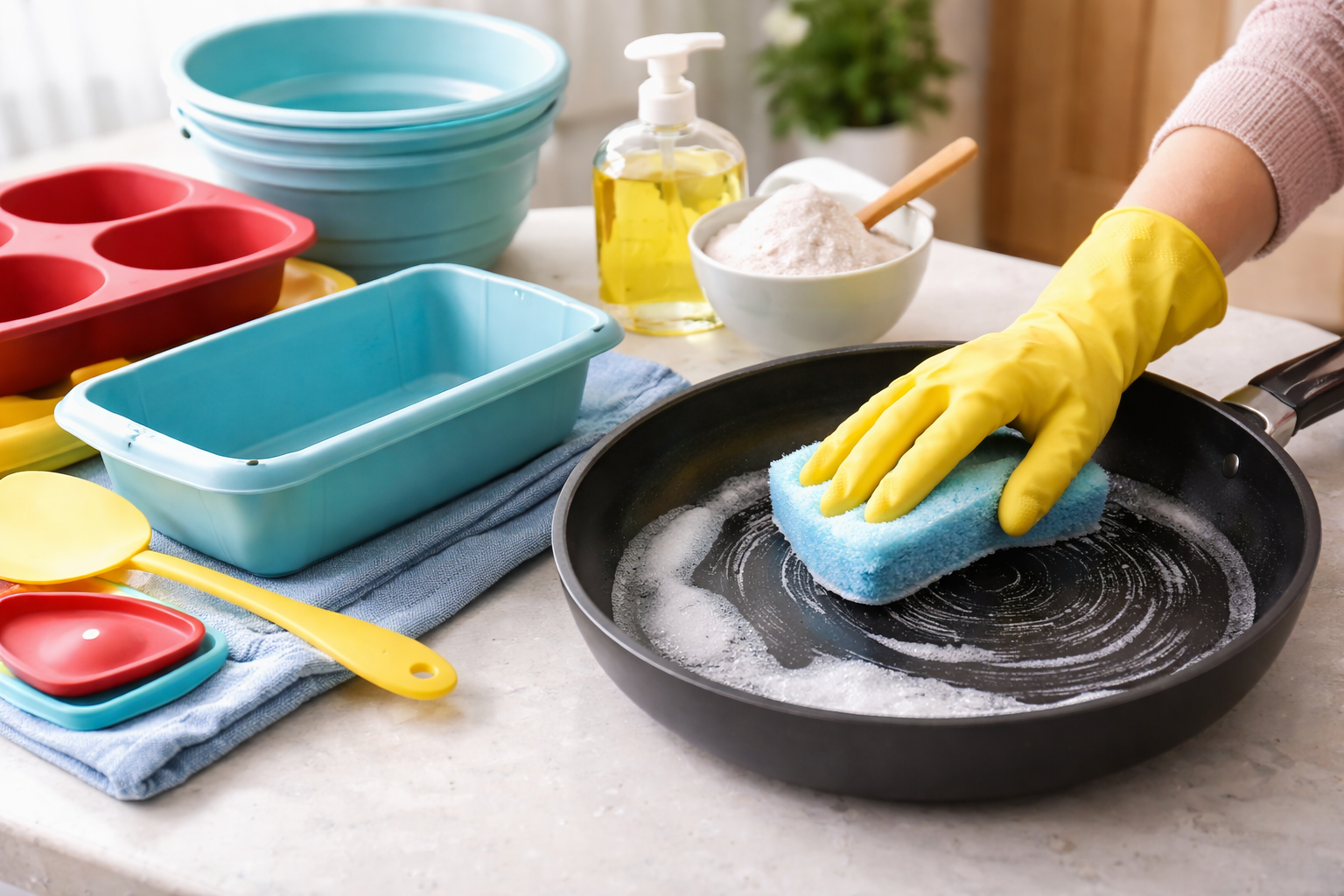
Understanding Why Silicone and Teflon Need Special Care
Silicone and Teflon surfaces have become essential in modern kitchens and homes. From baking mats and spatulas to non-stick cookware and protective coatings, these materials are valued for their flexibility, heat resistance, and non-reactive properties. However, their advantages also make them vulnerable to improper cleaning. Abrasive tools, aggressive chemicals, and incorrect techniques can silently degrade these surfaces, reducing their lifespan and compromising performance.
Silicone is a synthetic polymer with a smooth yet slightly porous structure that can trap oils and odors over time. Teflon, a brand name for polytetrafluoroethylene, relies on an ultra-thin non-stick coating that is easily scratched or worn away if mishandled. Understanding these material characteristics is the foundation of safe and effective cleaning.
Common Mistakes That Lead to Surface Damage
One of the most frequent issues arises from treating silicone and Teflon like stainless steel or ceramic. Hard sponges, steel wool, powdered cleaners, and baking soda pastes may seem effective, but they create microscopic scratches. These scratches are not always visible, yet they compromise the non-stick quality and allow residues to cling more stubbornly over time.
Another overlooked mistake is prolonged soaking in highly alkaline or acidic solutions. While silicone tolerates temperature changes well, extended exposure to harsh detergents can cause it to become cloudy, sticky, or prone to absorbing smells. Teflon, on the other hand, can slowly lose its protective layer when exposed to strong degreasers or repeated dishwasher cycles.
The Science of Gentle Cleaning
Effective care relies on low-abrasion contact and neutral chemistry. Warm water helps soften grease without forcing it off mechanically. Mild surfactants, such as those found in gentle dish soaps, lift fats and residues by breaking their surface tension rather than scraping them away.
For silicone surfaces, heat combined with gentle soap is often enough to release embedded oils. Teflon benefits from minimal friction and immediate cleaning after use, preventing food particles from bonding to the surface as it cools.
Cleaning Silicone Without Scratches or Odors
Silicone items often develop a greasy film that resists standard rinsing. This film is not dirt alone but a buildup of polymer-bound oils. Using warm water and a soft sponge, combined with a small amount of mild dish soap, allows the oils to emulsify gradually.
Occasionally, silicone may retain odors even when visibly clean. In such cases, a brief soak in hot water with a small amount of white vinegar helps neutralize smells without harming the material. The key is moderation—short exposure followed by thorough rinsing and air drying restores freshness without degrading the surface.
Preserving Teflon’s Non-Stick Integrity
Teflon surfaces require an even lighter touch. Cleaning should begin only after the surface has cooled, as rapid temperature changes can weaken the coating. A soft cloth or non-abrasive sponge, paired with warm water and gentle soap, is sufficient for daily maintenance.
Stubborn residues should never be scraped. Instead, allowing warm soapy water to sit briefly loosens debris naturally. This approach protects the coating while maintaining its smooth finish. Proper drying with a soft towel prevents water spots and reduces the need for repeated washing.
Long-Term Maintenance and Prevention
Consistent care reduces the need for intensive cleaning. Rinsing silicone tools immediately after use prevents oils from curing onto the surface. For Teflon cookware, using wooden or silicone utensils minimizes mechanical wear during cooking, preserving the coating long before cleaning begins.
Storage also matters. Stacking Teflon pans without protection can cause friction damage over time. Placing a soft cloth or silicone mat between items prevents unnecessary abrasion. Silicone tools should be stored fully dry to avoid lingering moisture that traps odors.
Environmental and Health Considerations
Gentle cleaning is not only safer for surfaces but also for health and the environment. Avoiding harsh chemicals reduces indoor air pollution and chemical residue on food-contact items. Mild soaps and simple household solutions are effective when used correctly and align with sustainable living practices.
Maintaining intact non-stick coatings is particularly important, as damaged surfaces are more likely to shed particles and lose efficiency. Proper care ensures that silicone and Teflon remain safe, functional, and durable for years.
Creating a Sustainable Cleaning Routine
Caring for modern materials is about respect rather than force. Silicone and Teflon are designed to make daily life easier, but they depend on thoughtful maintenance. By adopting gentle techniques, mindful product choices, and preventative habits, it is possible to keep these surfaces clean, smooth, and reliable without scratches or deterioration.
A careful approach transforms cleaning from a damaging chore into a routine that protects both your home and your health, ensuring that these advanced materials continue to perform exactly as intended.