
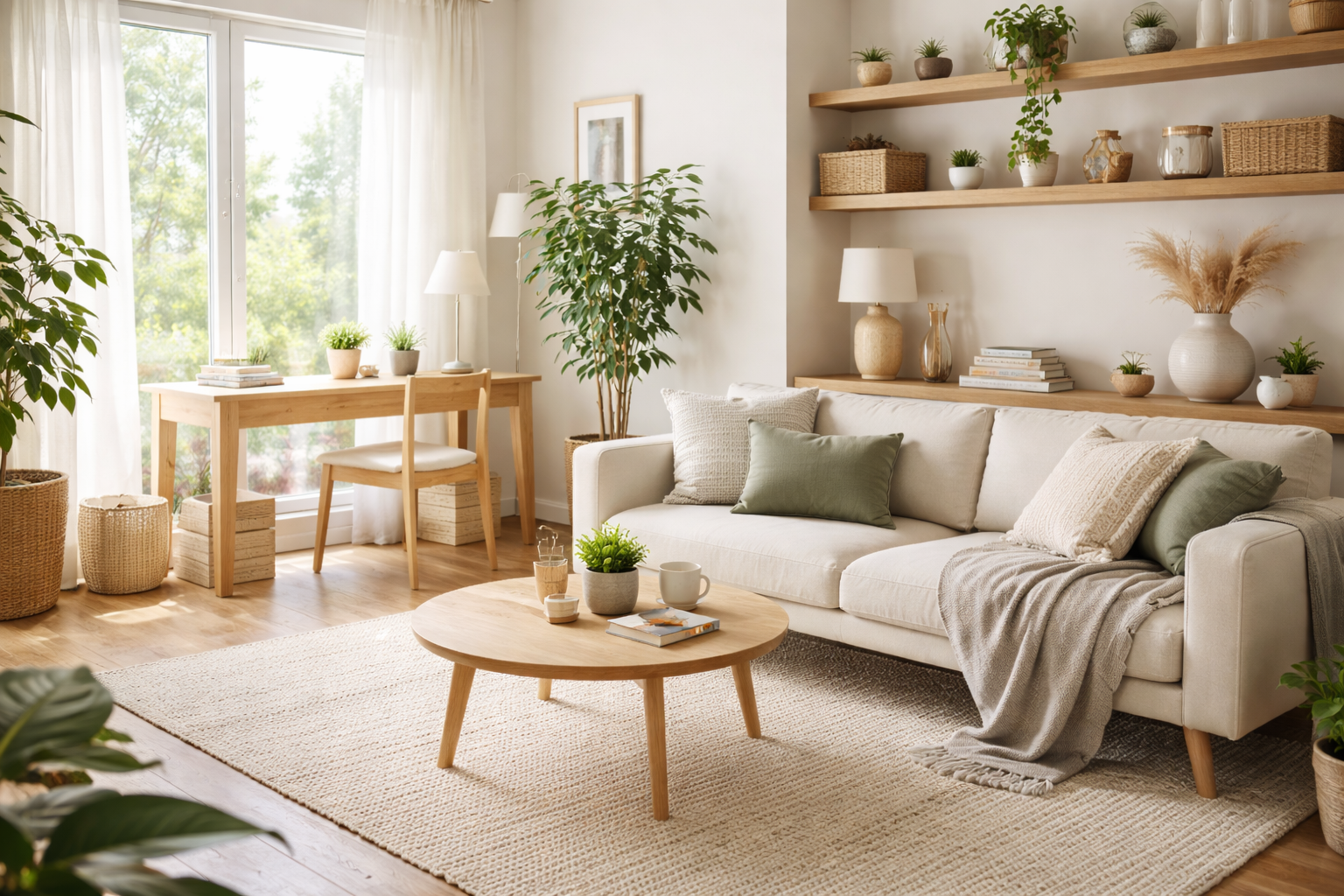
Organize to Mental Clarity — How Home Design Can Improve Focus and Emotional Calm
In a world filled with constant notifications, digital distractions, and fast-paced routines, many people underestimate the influence their physical environment has on mental clarity. The design and organization of a home can strongly affect focus, emotional balance, and overall cognitive performance. A thoughtfully arranged living space does more than look appealing — it helps the brain relax, concentrate, and process information more effectively.
Modern research and everyday experience both suggest that physical order supports mental calm. When spaces are structured with intention, they reduce cognitive overload and create conditions that support productivity and emotional stability.
The Psychological Impact of Clutter
Clutter is not simply a visual issue. It also affects how the brain processes information. When too many objects compete for attention within a space, the mind must constantly filter what is important and what can be ignored. This continuous filtering requires mental energy.
Over time, clutter can increase feelings of stress and fatigue. A disorganized room often creates subtle tension because the brain perceives unfinished tasks or unresolved decisions in the environment. Even when a person is not consciously aware of it, this visual noise can reduce the ability to focus deeply on work, reading, or creative tasks.
By contrast, environments with clear surfaces and defined storage areas allow the brain to relax its filtering process. Fewer competing visual signals create a sense of calm that makes concentration easier.
Why Order Supports Cognitive Focus
A well-organized home reduces the number of micro-decisions people must make throughout the day. When items have clear places and rooms are structured around specific activities, the brain can transition more smoothly between tasks.
For example, a workspace designed only for focused work encourages the mind to associate that area with productivity. Similarly, a quiet reading corner or relaxation space signals that it is time to slow down.
These subtle environmental cues help the brain shift mental states more efficiently. Instead of constantly adjusting to chaotic surroundings, the mind follows the structure provided by the space itself.
The Power of Functional Zones
One of the most effective ways to create mental clarity at home is by dividing spaces into functional zones. Each area should support a specific type of activity.
A typical home might include zones such as:
- A focused work area with minimal distractions
- A comfortable relaxation zone with soft lighting
- A clear dining area that encourages mindful eating
- Storage spaces designed to keep daily items organized
Even small apartments can benefit from this concept. A simple change such as positioning a desk near natural light or separating a workspace from a sleeping area can improve concentration and reduce mental fatigue.
When each zone has a clear purpose, the brain adapts quickly and responds with greater efficiency.
Light, Color, and Visual Simplicity
Home design that supports focus often includes thoughtful use of light and color. Natural light improves mood and alertness, making it one of the most valuable elements of a productive environment.
Soft, neutral color palettes can also help reduce visual noise. Calm tones allow the mind to settle, while overly bright or conflicting colors may stimulate constant attention shifts.
Visual simplicity does not mean a home must feel empty or sterile. Personal items, art, and meaningful objects can still be present, but they should be arranged with intention rather than scattered randomly.
Balanced design allows personality to coexist with order.
Storage That Encourages Consistency
Effective storage systems are essential for maintaining an organized environment over time. The best systems are simple, accessible, and aligned with daily habits.
Open shelves for frequently used items, labeled containers, and designated drawers can make organization effortless. When putting something away takes only a few seconds, people are far more likely to maintain order naturally.
Hidden storage can also help maintain visual calm by reducing the number of objects visible at once.
Consistency is more important than perfection. A system that works for everyday life will always be more effective than a complicated one that is difficult to maintain.
Emotional Benefits of an Organized Environment
Beyond productivity, organized spaces often promote emotional stability. Walking into a calm, orderly room can create an immediate sense of relief after a busy day. The environment itself becomes a form of support.
This effect is especially important in homes that serve multiple roles — living space, workplace, and social environment. When design supports emotional balance, the home becomes a place where energy can be restored rather than drained.
People frequently report sleeping better, feeling less anxious, and thinking more clearly when their living environment reflects order and intention.
Small Changes That Create Big Impact
Creating a home that supports mental clarity does not require a full redesign. Small adjustments can gradually transform how a space feels and functions.
Examples include:
- Clearing surfaces that accumulate unnecessary objects
- Rearranging furniture to create clearer pathways
- Using storage containers to group related items
- Introducing more natural light where possible
- Removing items that no longer serve a purpose
These steps reduce visual and cognitive load, allowing the environment to support rather than compete with mental processes.
Designing for Calm and Focus
A home is more than a place to store belongings. It is an environment that continuously influences thoughts, emotions, and energy levels. When physical spaces are organized with intention, they create a foundation for mental clarity.
Order does not eliminate life’s complexity, but it provides a stable background where the mind can focus on what truly matters.
In an increasingly busy world, designing a home that supports calm thinking and emotional balance may be one of the most valuable investments a person can make.