
Laundry Flow Organization — How Daily Loads Change Everything
Laundry has long been treated as a weekly marathon: baskets overflowing, machines running all weekend, and the constant feeling that you are either behind or buried. But what if the problem isn’t the amount of laundry — it’s the rhythm? “Laundry flow organization” is a practical approach built around small, daily loads instead of overwhelming weekly piles. By shifting from backlog thinking to flow thinking, households can reduce stress, simplify routines, and reclaim time.
From Backlog to Flow
Traditional laundry systems rely on accumulation. Clothes are worn, tossed into hampers, and forgotten until a designated “laundry day.” The result is predictable: multiple loads, sorting chaos, extended drying time, and folding fatigue.
Flow organization replaces accumulation with consistency. Instead of waiting for baskets to overflow, you run one small load per day — often just one category at a time. Towels today. Dark clothes tomorrow. Bedding midweek. Activewear after sports day.
The key idea is simple: laundry becomes part of the daily rhythm rather than a separate event.
Why Small Loads Work
There are several practical reasons why daily loads can feel dramatically easier.
Reduced Decision Fatigue. When you wash one category at a time, there is less sorting, less hesitation, and fewer forgotten items.
Faster Cycles. Smaller loads wash and dry more efficiently. You spend less time waiting and less energy handling heavy baskets.
Immediate Completion. Because the load is manageable, folding and putting away takes minutes instead of an hour. Completion builds momentum.
Less Clutter. Hampers rarely overflow, which keeps bedrooms and bathrooms visually calm.
When laundry never becomes a mountain, it stops feeling like a crisis.
Building a Sustainable Laundry Rhythm
The most successful daily systems are simple and predictable. You do not need a complex chart. You need a repeatable pattern.
A common model looks like this:
- Monday: Light clothes
- Tuesday: Dark clothes
- Wednesday: Towels
- Thursday: Kids’ items
- Friday: Bedding or linens
- Weekend: Catch-up or specialty items
This structure eliminates the “What should I wash today?” question. Over time, the pattern becomes automatic.
If daily washing feels excessive for a smaller household, adjust the rhythm to every other day. The principle remains the same: avoid backlog.
Designing Your Laundry Space for Flow
Organization supports consistency. A few structural changes make daily loads effortless.
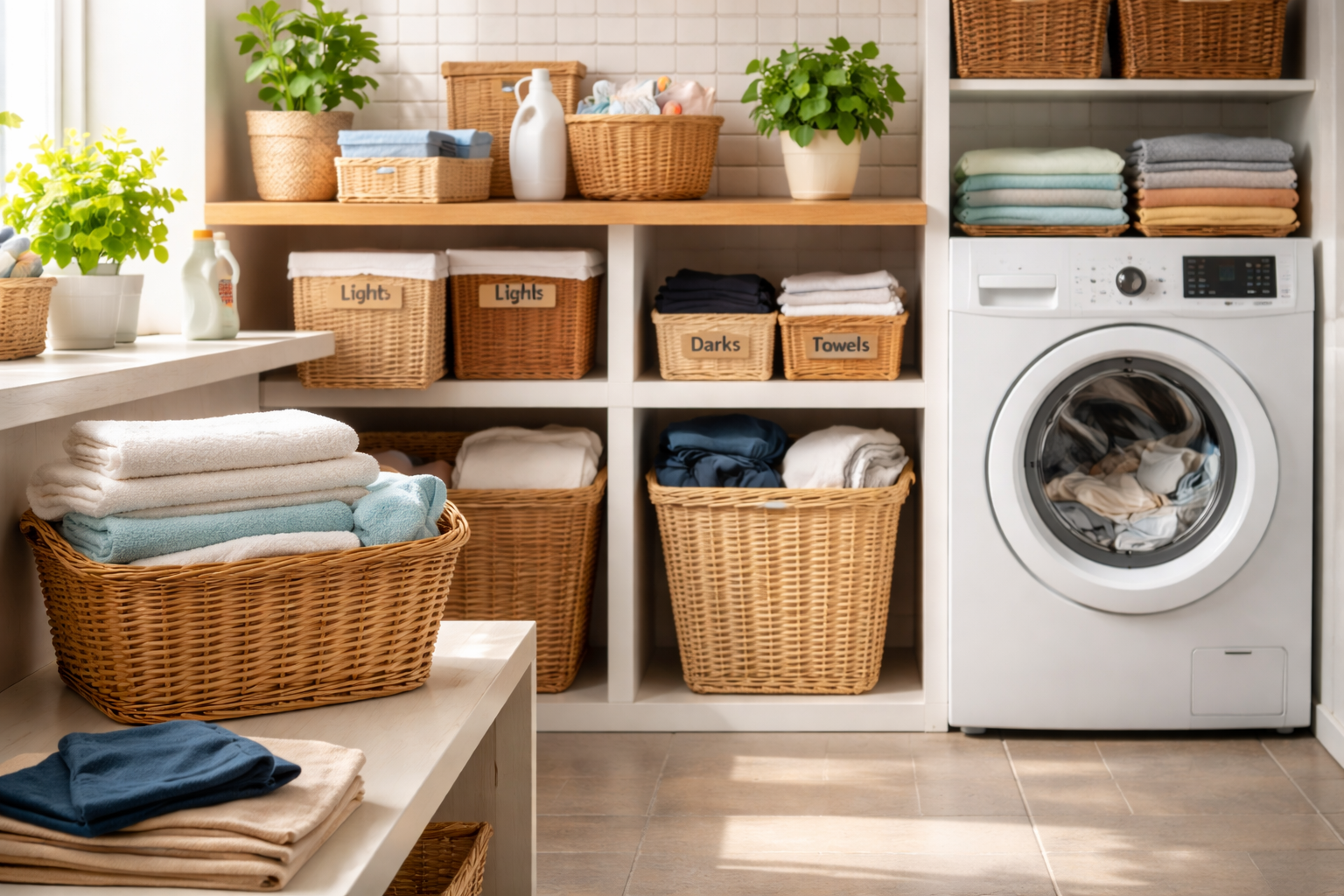
Separate Hampers by Category. Instead of one large basket, use two or three smaller bins (lights, darks, towels). Pre-sorting saves time.
Keep Supplies Visible and Accessible. Detergent, stain remover, and dryer sheets should be easy to reach. Friction discourages routine.
Create a Folding Surface. A clear counter or small table reduces the temptation to leave clean laundry in baskets.
Use a “Two-Minute Rule.” If folding takes less than two minutes, do it immediately. Small loads often do.
The goal is to remove barriers between washing and completion.
Energy and Water Considerations
Some people worry that daily loads increase energy or water use. In reality, modern washing machines are highly efficient and often adjust water levels based on load size. Smaller loads can be comparable in consumption, especially when high-efficiency settings are used.
Additionally, spreading laundry across the week prevents peak usage days and may even reduce wear on machines.
Air-drying select items and washing with cold water further improves efficiency.
Psychological Benefits of Laundry Flow
Beyond logistics, there is a psychological shift. Weekly laundry days often feel overwhelming because they symbolize everything that has accumulated — not just clothes, but postponed responsibilities.
Daily laundry transforms the narrative. Instead of “I have so much to do,” the mindset becomes “This is today’s small task.”
Completing one manageable load provides a daily sense of order. Clean clothes return quickly to drawers. Sports uniforms are ready when needed. Towels never run out unexpectedly.
Consistency replaces stress.
Family Participation and Shared Responsibility
Laundry flow also makes delegation easier. Children can be assigned specific days. Partners can alternate categories. Because the workload is smaller, it feels fair and achievable.
Even young children can help by placing clothes into the correct hamper. Older kids can fold their own small load on designated days. The system becomes collaborative instead of centralized around one overwhelmed person.
Shared routines strengthen accountability and independence.
Adapting to Different Lifestyles
Large families may run more than one small load daily. Individuals living alone may only need three or four loads per week. The principle scales to fit the household.
Shift workers may prefer nighttime washing. Busy parents may start loads in the morning and fold in the evening. The timing is flexible — the consistency is what matters.
Laundry flow is not about perfection. It is about preventing overload.
Breaking the “Laundry Day” Habit
Transitioning to daily loads requires a mindset reset. For the first week, you may feel like you are doing laundry more often. In reality, you are simply distributing the same work more evenly.
After two to three weeks, the system becomes natural. Hampers stay light. Machines are used regularly but not excessively. The visual calm in your home reinforces the habit.
Eventually, you may notice something surprising: laundry is no longer something you dread.
When Daily Loads May Not Be Ideal
While effective for many households, daily laundry is not mandatory. Households with limited machine access or strict energy schedules may prefer structured twice-weekly systems.
The broader lesson remains valuable: smaller, more consistent cycles reduce overwhelm.
A Shift Toward Everyday Order
Laundry flow organization is less about washing clothes and more about restructuring how routine tasks fit into daily life. By replacing accumulation with rhythm, you eliminate the exhausting peaks of effort.
Instead of dedicating an entire weekend to sorting, washing, drying, folding, and putting away, you integrate one manageable action into each day. The result is a home that feels consistently maintained rather than periodically rescued.
Small loads. Small effort. Big difference.
When laundry becomes part of the daily flow instead of a looming event, everything changes.