
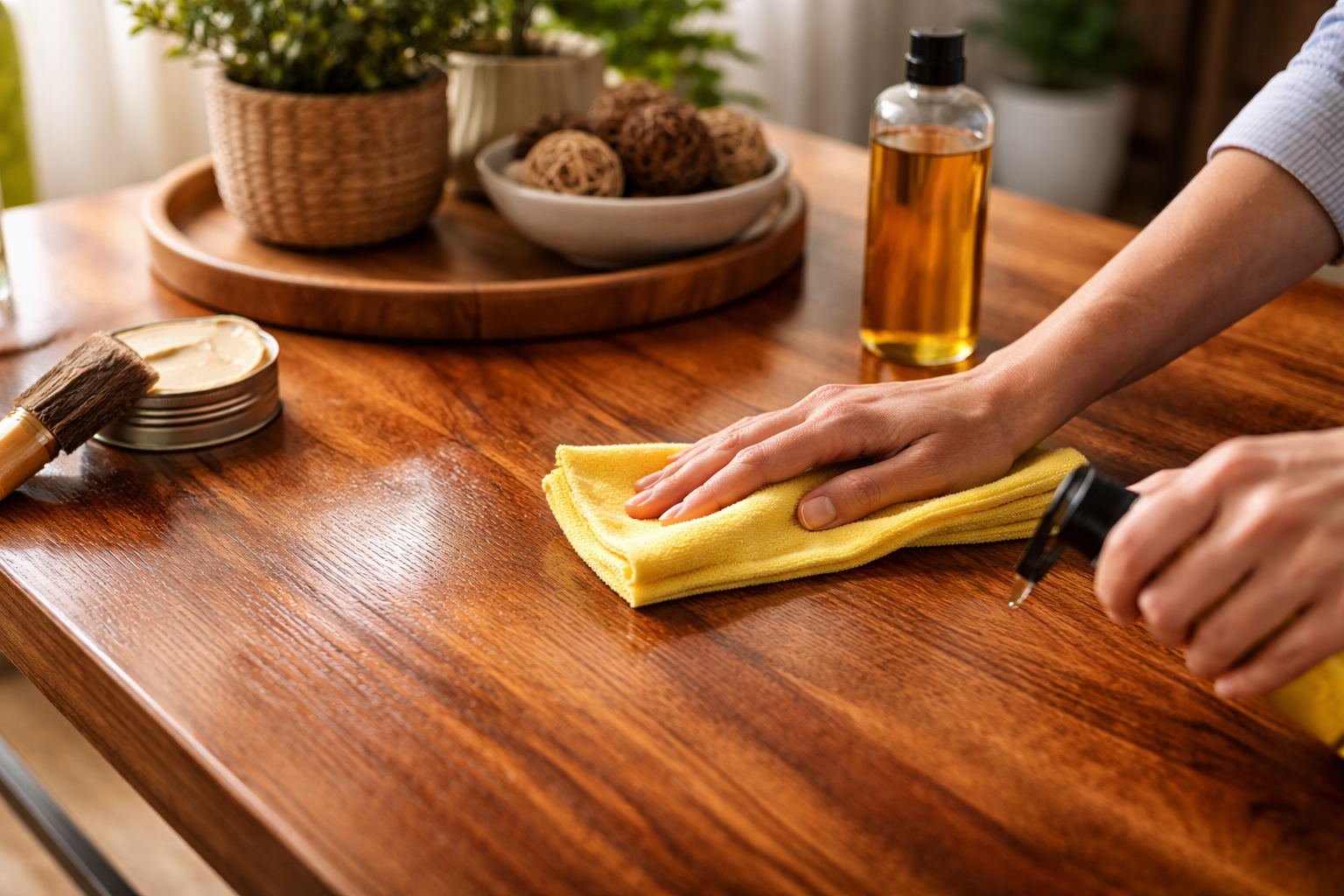
How to Care for Wooden Surfaces: Safe Cleaning Methods and Restoring Natural Color
Wood has been used in homes for centuries because of its durability, natural beauty, and timeless appearance. Wooden furniture, floors, and decorative elements bring warmth and character to living spaces. However, wood is also a natural material that can be sensitive to moisture, harsh chemicals, and improper cleaning techniques. Without proper care, wooden surfaces may lose their color, develop scratches, or become dull over time. Learning how to clean and maintain wood correctly helps preserve its appearance and extend its lifespan for many years.
Understanding the Nature of Wood
Before cleaning wooden surfaces, it is important to understand how wood behaves. Unlike synthetic materials, wood is porous and can absorb liquids. Excess moisture can cause swelling, warping, or discoloration. Additionally, wood reacts to environmental changes such as humidity and temperature fluctuations.
Many wooden surfaces are protected by finishes such as varnish, oil, wax, or lacquer. These protective layers help shield the wood from dirt and damage, but they can also be affected by strong cleaning agents. Using the wrong products may strip away protective coatings or leave visible marks.
Because of these characteristics, gentle cleaning methods and proper maintenance are essential for keeping wooden surfaces in excellent condition.
Gentle Cleaning Without Damaging the Surface
Regular cleaning is the first step in maintaining wooden furniture and flooring. Dust and small particles can gradually scratch the surface if they accumulate over time. Using a soft microfiber cloth or a feather duster helps remove dust without damaging the finish.
For deeper cleaning, slightly damp cloths are often the safest option. The cloth should be wrung out thoroughly so that it is only lightly moist rather than wet. Excess water should never remain on wooden surfaces because moisture can penetrate the wood and cause long-term damage.
Mild soap solutions can sometimes be used for stubborn dirt. A small amount of gentle dish soap mixed with warm water can help remove grease or sticky residue. After cleaning, the surface should be wiped again with a clean damp cloth to remove any soap residue, and then dried immediately with a soft towel.
Harsh chemicals, abrasive cleaners, and strong solvents should always be avoided. These products can damage protective finishes and cause the wood to fade or become uneven in color.
Protecting Wood From Everyday Damage
Daily habits also play a major role in preserving wooden surfaces. Simple protective measures can prevent scratches, stains, and discoloration.
For example, using coasters under glasses and cups prevents water rings and moisture damage. Table mats or placemats protect dining tables from heat and food spills. Felt pads placed under furniture legs reduce the risk of scratches on wooden floors.
Direct sunlight can gradually fade the natural color of wood. Curtains, blinds, or repositioning furniture occasionally can help reduce uneven fading caused by long-term sun exposure.
Maintaining stable indoor humidity levels is also important. Extremely dry air can cause wood to crack, while high humidity may lead to swelling or warping. Balanced indoor conditions help wooden surfaces remain stable and durable.
Restoring the Natural Color of Wood
Over time, wooden surfaces may lose their original richness and appear dull. Fortunately, several gentle restoration techniques can help bring back their natural color and shine.
Wood oils are commonly used to nourish the material and enhance its appearance. Natural oils penetrate the wood fibers and help restore depth to faded surfaces. When applied correctly, these oils can revive the warmth and tone of the wood while providing additional protection.
Wood polish can also improve the appearance of furniture that has become dull. Polishing helps smooth the surface and adds a subtle shine without damaging the finish.
For more noticeable fading or discoloration, specialized wood restoration products may help restore color balance. These products are designed to refresh the finish while preserving the original texture and pattern of the wood grain.
However, before applying any restoration product, it is always recommended to test it on a small, hidden area first to ensure it does not alter the color unexpectedly.
Long-Term Care for Wooden Surfaces
Consistent maintenance is the key to keeping wooden surfaces beautiful for decades. Instead of waiting for visible damage to appear, regular gentle cleaning and protective habits can prevent most problems before they occur.
Periodic polishing or conditioning helps maintain the protective finish and keeps the wood looking vibrant. In some cases, professional refinishing may be necessary for heavily worn surfaces, but proper care can significantly delay the need for such treatments.
Wood is a living material that develops character with age. Small changes in color and texture often enhance its unique appearance. By cleaning carefully, protecting against damage, and restoring the natural finish when needed, homeowners can ensure that wooden furniture and surfaces remain elegant, durable, and full of natural charm for many years.